Friday, 2 December 2016

Unit 69: drawing concept art for computer games

Unit 69: drawing concept art for computer games


Within video games concept art is used as a key part of the process of designing nearly everything in a game from environments to characters and objects. Concept art is a way of helping to visualise a desired aspect of the product being developed and often help with things such as scaling objects, characters and enemies to the world they inhabit.
The art is often created when a designer gives an artist a description of the item to work with along with an art style.


The art style used in its development can help as a key part in shaping how characters, objects, and environments can create certain types of atmosphere. An example of this is that of how the concept art developed in the creation of the popular fantasy RPG, Dark Souls conveys an atmosphere of tension in its environments, and a sense of malice and danger in that of its enemy designs.


 The image on the left is an example of some of the art used in designing of one of the most popular and memorable bosses in the series. The dark armour, tattered cloak, and smog like particle effects help to convey the feeling of an intimidating and deadly foe. the design of the helmet and cloak also help to give it a unique and iconic look. The image to the right is an example of one of the game's high level enemies. Similar to the image on the left the dark armour gives the enemy a sense of malice, this coupled with the demonic style horns on the helmet makes the armour appear truly evil, quickly conveying the danger this type of enemy poses to the player.


During the process of developing parts of the game things can be changed or cut entirely. This image shows the development in the famous Ornstein the dragon slayer boss with particular emphasis on how the crown of his helmet changed to reflect the switch in roles he was given later in his development. It also shows the many layers of the armour and all the details in each piece, giving 3D modellers a better way of seeing how to layer each part of the character when they begin the process of creating the 3D model.
The two images below show that during one stage in the game's development the developers intended to have the first boss encounter had been planned to have the enemy standing in a different position as it is now standing on the roof as opposed to the first floor, where it was eventually placed, and even using an entirely different enemy type.


The Devil May Cry series also does a great job of creating the feeling of isolation in an abandoned dark demonic castle. The dim light and the long shows the concept art depicts helps convey a sense of unease and dread in its environments with the darkness surrounding the environment conveying a sense of danger unseen. The use of vibrant colours contrasting against darker palettes makes the key parts of the art stand out and makes the surrounding ares seem more empty and desolate, thus helping to keep the viewers attention on the most prominent features whilst boosting feeling of being surrounded by a vast dark and unfamiliar emptiness.

Tuesday, 11 October 2016

Understanding Theory and Applications of 3D

Understanding Theory and Applications of 3D


Used in many industries, 3D is often used to create things such as art, movies and games, with this being an increasingly popular trend within the last two decades. Its increased popularity has lead to more and more ambitious, detailed and complex results and techniques from the medium.
3D models are used to create and render almost everything in things such as video games and movies animated in this manor. Within movies the 3D models and CGI had been used as an addition to the more traditional ways of making movies but in 1995 the first feature length 3D animated film was released by Pixar, Toy Story. The models used were cutting edge at the time and the techniques where new and exciting to most who saw the movie upon its release but compared to today's examples of 3D models, even within the Toy Story franchise, it is very visible how dated they have become especially when comparing the level of detail characters of the series contain. The improvement in modelling techniques and the software have led to vastly superior and near lifelike models as well as a vast array of unique art styles.  Animation within 3D projects has also vastly improved over time with techniques such as keyframing being a simple but effective means of animation in which the animator sets certain points within the animation that which the animation will then flow seamlessly between, creating a fluid animation that the model will then follow.

The place this wide and varied use of 3D is most evident is within the video games industry, where games like battlefield use 3D to create models and environments designed to closely mimic objects and environments found within the real world, this style became particulary popular among First Person Shooters during the seventh console generation where games became more focused on simulating realistic combat reflecting that of real world's conflicts at the time t, or games like the popular team shooter Overwatch that use a cartoony art style to create a distinct look, for a while this art style mostly saw popularity among the Indie game industry and saw very little success on the mainstream consoles of the generation, but as time passed people became tired of the now over saturated realistic artstyle and these more outlandish and unrealistic art styles have been increasing in popularity since.


Polygonal 3D models are also now often used in architecture whereby architects will use it to incorporate all the 2D information within a 3D space, with architects using it as a key part of the planning stage when designing structures such as bridges and buildings. it benefits the process by allowing the architect to look for errors that may have occurred during the drawing process, helping to get a better visualisation of the project and also works effectively as a marketing tool. Another area to recently adopt 3D modelling is that of art. it is becoming increasingly popular for artists to create their pieces within 3D modelling software such as Maya. A prominent example of such anj artist is Ray Caeser, who using 3D models creates art that is beautiful and disturbing. 


A key part of 3D modelling is geometric theory. Within geometric theory a basic initial mesh is used for an object that is later improved upon using different textures, with the mesh being built up of different polygons. Polygons are simple 2D shapes that contain three components, the vertice, the edge and the face. The first two are created upon the forming of a single line with the latter requiring roughly three at a minimum making up a basic triangular polygon. the vertice is the point the polygon, the edge is the lines making up each side of the polygon and the face is the large area in the centre of all edges and vertices. Adding more vertices creates more complex shapes such as quads, hexagons and decagons. These polygons are what is added together to create the complex models and environments used in many forms of media, this is known as mesh construction which is the most basic part of creating a 3D model upon which the rest is developed


Tuesday, 4 October 2016

Game Engines

Game Engines


Havok Engine This engine specialises in more open games and rendering physics in the 3D environments they take place in.  over time different modules developed that improved much of the visuals and graphical content using many aspects such as destruction, cloth and improved physics. Through the engines use of "Dynamic simulation" it is able to render realistic 3D environments with an example of this being its capability to render things such as a box's destruction and the subsequent pieces as well as the shadows each one would create.
The engine soared to popularity during the seventh generation of consoles with many games on platforms such as the Xbox 360 and the PS3 using the engine to great effect. In 2000 Version 1.0 of the software development kitv was released to the public with the most up to date version being 2011.2 which is still used in the many current generation games such as the recent Dark Souls 3. Unlike engines such as the rage engine, the Havok engine is open thanks to its licensing acts.

FOX Engine - Created by Kojima Productions, the FOX Engine is a closed engine owned by Konami that, due to its versatility and array of capabilities it has been used in various titles in various genres already even though it is fairly new engine such as in the sports, stealth action, and survival horror genres. First demonstrated to the public in a 2011 Konami E3 conference, the engine was used to show off its possible graphical capabilities showcased a lush jungle landscape with a boy and a horse, similar to some of the assets later found in Metal Gear Solid V.

An example of how the engine can be used incredibly effective is the immensely popular third person stealth action game Metal Gear Solid V: The Phantom Pain, in which it was used to render a vast and beautiful open world sandbox bursting with detail and giving the player a sense of wonder at the freedom and immersion it creates for them, along with complex enemy AI and dynamic time and weather systems helping the world seem alive. But its not just vast games like the previous example in which the FOX engine is a great tool to use, in the infamous P.T. released in 2014 the FOX engine was used to create incredible sensations of dread, claustrophobia, paranoia and sheer terror in the player. In P.T. the FOX engine was used to create a small map of a narrow corridor filled with detail and creating an atmosphere that is unrivalled in the survival horror genre.

CryEngine - Created by the German developer, Crytek, and initially used as a tech demo for Nvidia, the CryEngine is an open game engine with a third party licensing scheme designed to allow people outside the company use the engine if they agree to certain terms. the first CryEngine was initially used the the first Far Cry game and has had many evolutions since then with the current engine being the CryEngine V. The engine has many parts that help it simulate immersive worlds for players to enjoy by using features such as natural lighting and dynamic soft shadows with penumbra, character animation and character individualiation systems, AI editing systems, key frame-accurate sounds in animations, dynamic pathfinding and high quality 3D water.The engine has even been used by the Australian Defence Force to train personnel on a virtual helicopter landing pad. The current iteration of the engine is available on a wide variety of platforms including Playstation 4 and Xbox One with features such as DirectX 12 and Virtual Reality supports

Unreal Engine - The first version of the Unreal was revealed to the public in 1998, with its initial showcase being in the game Unreal. Though designed for FPS games primarily since its inception it has been used in many genres like Stealth and RPGs. It's current iteration is the Unreal Engine 4, which can run on nearly all current mainstream platforms such as IOS, Playstion 4, Xbox One, Microsoft's DirectX 11 and  12 and Android among many others. The Unreal Engine has been a popular one ever since its first version with games such as BioShock Infinite being created in previous versions of the engine. The engine is possibly the most engine in the modern games market, with it's simple third party policy making it a popular choice amongst larger companies and indie developers alike. 
The engine is one of the most advanced ones on the market with some of the most advanced features of any engine that easily render 3D photo realistic environments and add a further sense of immersion with its physics such as its life like water and fluids, its destructible environments and lighting programs.

Unity Engine - The open cross platform Unity Engine  was created by Unity Technologies and unveiled at Apple's Worldwide Developer Conference in 2005 and since then has been used across a massive 21 platforms. With its huge range of platforms its compatible with it swiftly found success in many areas of the game industry with some of the most prominent areas being the indie game market where it bacme a vastly popular choice among those looking to use systems in place like Steam's Greenlight, and the Mobile Games market due to the developers high control over the delivery to mobile devices. Included in the engine is an asset server and access to Nvidia's Physx  physics engine. There is also the Unity Web Player which is a browser plugin compatible in Windows and OSX.

Rockstar Advanced Game Engine - The Rockstar Advanced Game Engine or RAGE is an engine, developed by the game development company Rockstar's RAGE Technology Group, began as a step up from the Angel Engine and has been used across an incredibly wide range of platforms including Microsoft Windows, Nintendo Wii, Xbox One and PS4. Since its inception Rockstar has managed to add some third party components into the engine such as the Bullet physics engine and the Euphoria character animation engine. The engine also supports DirtectX 11 and Stereoscopic 3D Rendering on PC.

Tuesday, 20 September 2016

Game design brief

Games Design Brief

Idea 1 (Main Idea). Devil May Cry / JoJo style game

Gameplay: For our first idea we decided to create a game based on the style of gameplay found in the Devil May Cry series and a style of fighting based on the popular JoJo's Bizarre Adventure series' "Stands", spirits with special abilities that appear from a user and fight. The demographic we would be aiming for would be a teen audience due to the violent nature of what we are aiming for but the lack of intense gore we feel stops it becoming a Mature Only game.

Protagonist: The protagonist Kenny Lown (K.Lown) becomes possessed by a demonic clown spirit after trying it on in a costume shop, be begins making his way through town and becomes driven to murder all in his way. In combat the clown spirit emerges from K. Lown and does the fighting.

Starting Weapon: Because of how we chose to we wanted the style of combat to be we decided the player's starting weapons, wielded by the clown, are a giant hammer melee weapon, and Water Balloons, a low impact projectile weapon. Due to the nature of the appearance of clowns being ridiculous and the juxtaposition that creates when compared to the murderous intent of the clown spirit in this project we decided that the weapons should have a "silly yet sinister" feel to them.

Unlockable Weapons: In order to vary the player's combat some of the possible unlockable weapons would be Balloon nun-chucks melee weapons, Balloon Rapier melee weapon, Cartoon Chainsaw melee weapon,
handkerchief chain with low damage, good range, able to pull enemies closer as well, and custard pies as a mid impact projectile weapon and an upgrade from the water balloons.

Items: In order to keep with the Devil May Cry style of gameplay, we decided to try and incorporate many varid items for use in combat such as;
Acid Flower (activates on low health, cancels enemy attack to prevent death, one time use)
Silly String (use to immobilise enemy's for a short time)
Trap whoopee cushion (enemy triggers it, cloud of gas released and damages enemy)
Candy floss (Candy Floss S heals %33 of your health, Candy Floss L heals %75 of your health)
Puppet Show (distracts enemies for a short period of time)
Balloon Dog (tracks enemies, pops on impact and deals low damage briefly staggering enemies)
Snake Tin Prank (Trap that damages single target when triggered)

Save Point: As the save point, in order to keep the clown them, the save point we want to use a circus style tent.

Enemies:
Stage 1: Skaters
Stage 1 Boss: Skate Leader
Stage 2: Jocks
Stage 2 Boss: Coach
Stage 3: Biker Gang
Stage 3 Boss: Biker Leader

3D model dersigns: For this project we decided to base our 3D models off those found in the game JoJo's Bizzare Adventure: Eyes of Heaven.


Idea 2 Survival Horror: After stumbling across the crash site of a crashed alien space craft the player is knocked out by a strange clown and soon wakes up on an operating table, the player then has to try and escape from the nightmarish alien Clowns and the horrifying experiments they're trying to perform on you.

Idea 3 FPS: one of our back up ideas is a simple FPS more based on the movie Killer Klowns From Outerspace, where you play as the hero of the film as you chase down clowns after they kidnap your friend Debbie.

Wednesday, 14 September 2016

Game Motivation

Games Motivation Survey

These area shown on the chart are areas that help to motivate players to pick up certain games and keep playing long after the initial go. some players play completely for the action, such as those who play games like Call of Duty and Battlefield where the primary draw of the games are the quick paced PvP matches with little in the way of story. where as some players are far more interested in things like story and creating their own unique character within a world. An example of this is the Elder Scrolls series. others play to overcome a great challenge such as a difficult boss battle, such as those found in the rather brutal Dark Souls series.
As a brief summary of these points, action is based almost entirely on frantic fast paced gameplay, creativity allows the player to create and change what they want within what the game allows, social is the focus on player interaction with other players, mastery can often refers to games with complex and lengthy timed moves or combos such as those found in the fighting game genre, immersion is how invested the gamer is and if they feel connected to the world often used in psychological horror games to convey a sense of true dread and oppressive fear of the unknown and achievement is often represented more as trophies to present to show you have accomplished a certain goal in a game but can refer to feelings of triumph such as being stuck on a boss for a lengthy period of time and finally overcoming the challenge. 

These are my results from a survey to analyse the type of gamer you are.
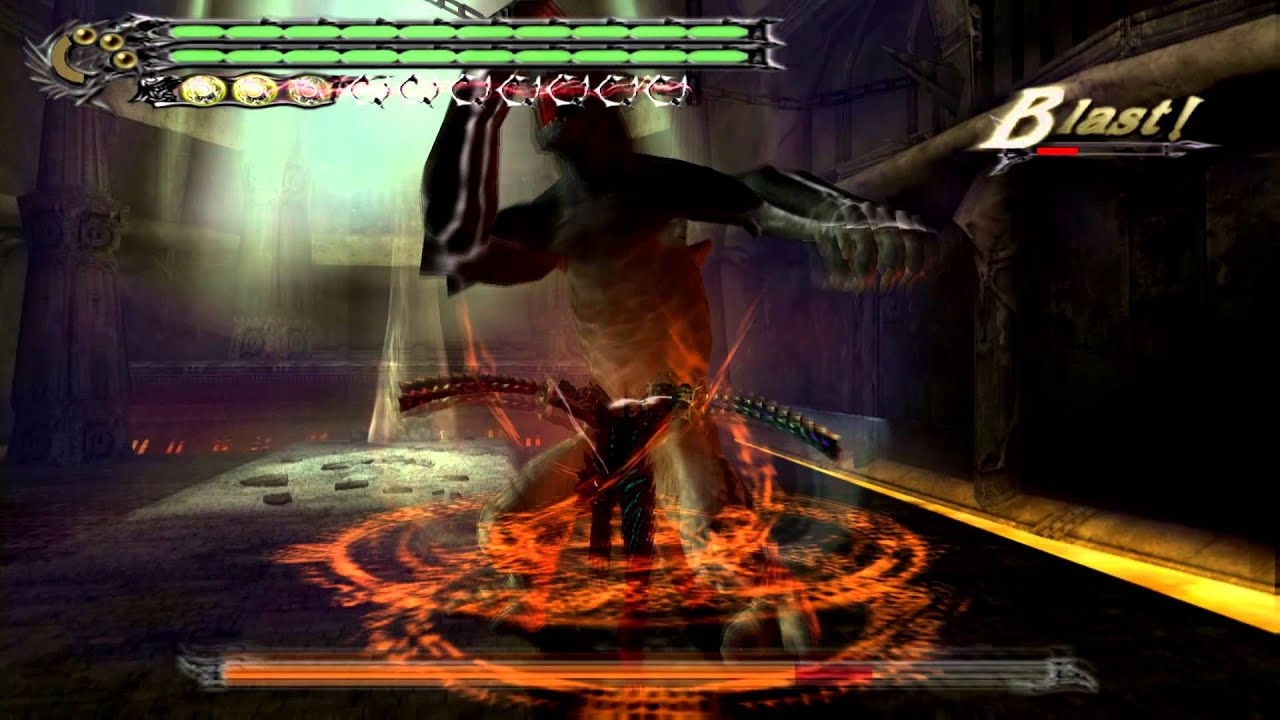
Image result for devil may cry 3 fightI personally did not really agree with the results I got. online i tend to play far more solo then socially as i quite often enjoy the feeling of issolation as you take on a great challenge with the odds stacked against you, i also feel that this helps add to the immersion of the game as its often hard to feel like a battered and battle worn knight with any random 12 year old screaming YOLO over the voice chat. I also tend to spend a great deal of time creating characters physical appearances, skill sets and backstories as it also adds to the immersion and is one of the aspects i enjoy most about RPGs, so I feel that creativity should be far higher. On top of that action should also be higher as a fair few of the games I play are almost entirely based on action and quick and stylish combos such as the Devil May Cry series. Immersion seems fairly correct as I have previously stated as does achievement, as I enjoy the great sense of victory when defeating a particularly troublesome boss such as those found in the Dark Souls series, and mastery reflects my own want to learn more lengthy moves and techniques like the various ones found within the Devil May Cry games.

Monday, 18 April 2016

Tuesday, 23 February 2016

Space invaders game documentation

https://docs.google.com/document/d/1_ObGGpOdMoFpzo3RwKg31OpwzirQ6O0W_gi2EZCkhJQ/edit